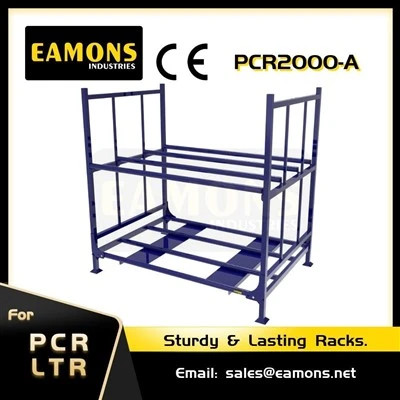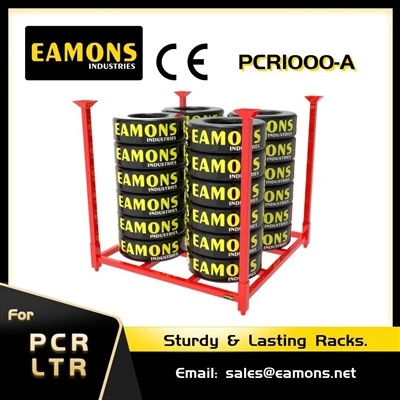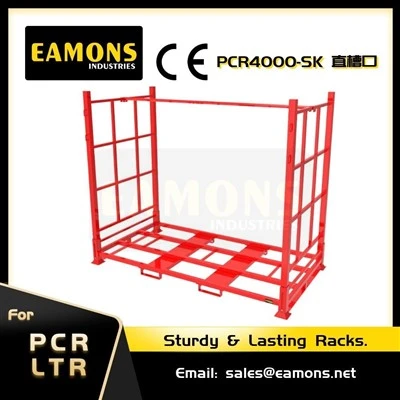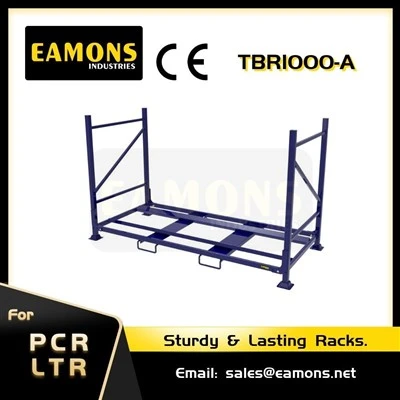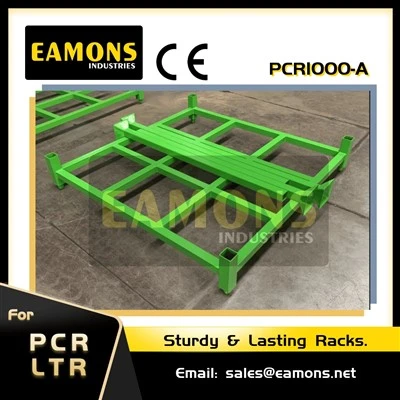
1. Three-dimensional structure, fully utilizing warehouse space, improving warehouse capacity utilization, and expanding storage capacity;
2. Convenient access to goods, enabling first-in, first-out (FIFO) inventory management, 100% selection capability, and smooth inventory turnover;
3. Goods on warehouse shelves are clearly visible, facilitating crucial management tasks such as inventory counting, categorization, and measurement;
4. Goods stored on shelves do not compress each other, minimizing material loss and preserving the functionality of the materials, reducing potential losses during storage;
5. Ensuring the quality of stored goods through measures such as moisture-proofing, dust-proofing, theft-proofing, and damage-proofing to improve the quality of stored materials;
6. Meeting the needs of modern enterprises for low-cost, low-loss, and high-efficiency logistics supply chain management;
7. High load-bearing capacity, resistant to deformation, reliable connections, easy assembly and disassembly, and versatility. Therefore, warehouse racking plays a significant role in the development of modern industry, and its structure and function are constantly improving with the development of modern industrial civilization;
8. Meeting the needs of storing and centrally managing large quantities and diverse types of goods. Combined with mechanical handling equipment, it can also ensure orderly storage and handling operations;